What to do in Wrocław in 3 days: a complete weekend itinerary
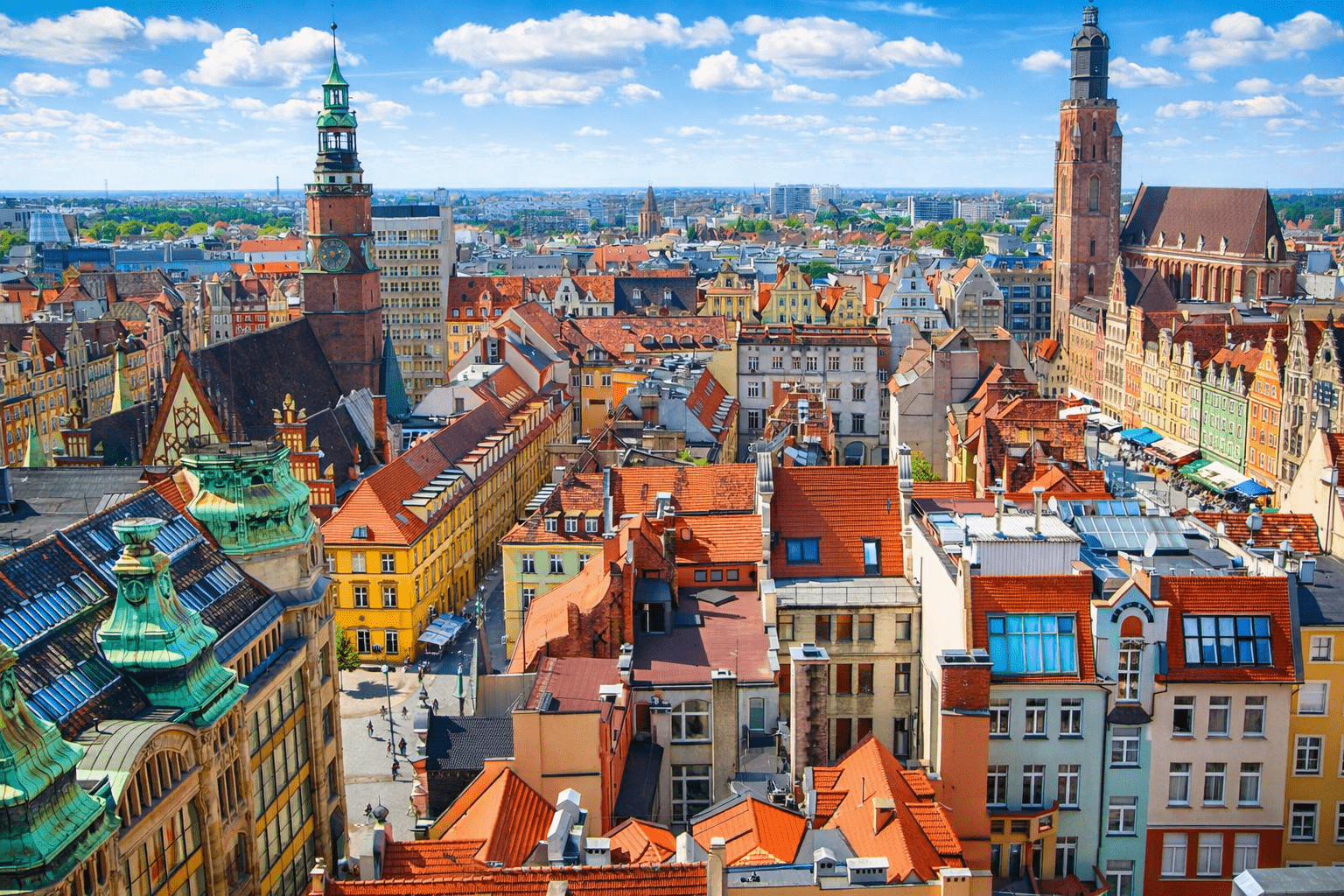
What to do in Wrocław in 3 days: a complete weekend itinerary – is a very common question among travelers discovering this city for the first time. If you’ve asked yourself the same question, you’re in the right place.
In this article, we present a detailed, realistic, and well-organized itinerary based on years of experience working in the tourism sector in Wrocław and throughout the Lower Silesia region. The goal is to help you know exactly what to do, what to see, and how to organize your time to make the most of your stay.
Wrocław (Breslavia) is one of the oldest cities in Poland, with a thousand-year history shaped by the coexistence of different cultures and traditions. Over the centuries, it has belonged to various states, leaving a very visible imprint of German, Polish, Bohemian, and Austrian influences—both in its architecture and in its character.
It is an ideal city for a long weekend getaway or a three-day trip, as it perfectly combines an attractive historic center, nature, culture, and excellent gastronomy.
In this itinerary, we assume you arrive in Wrocław in the afternoon or evening, so the sightseeing begins the following morning.
Day 1 – Historic Center and First Impressions
Breakfast in Wrocław
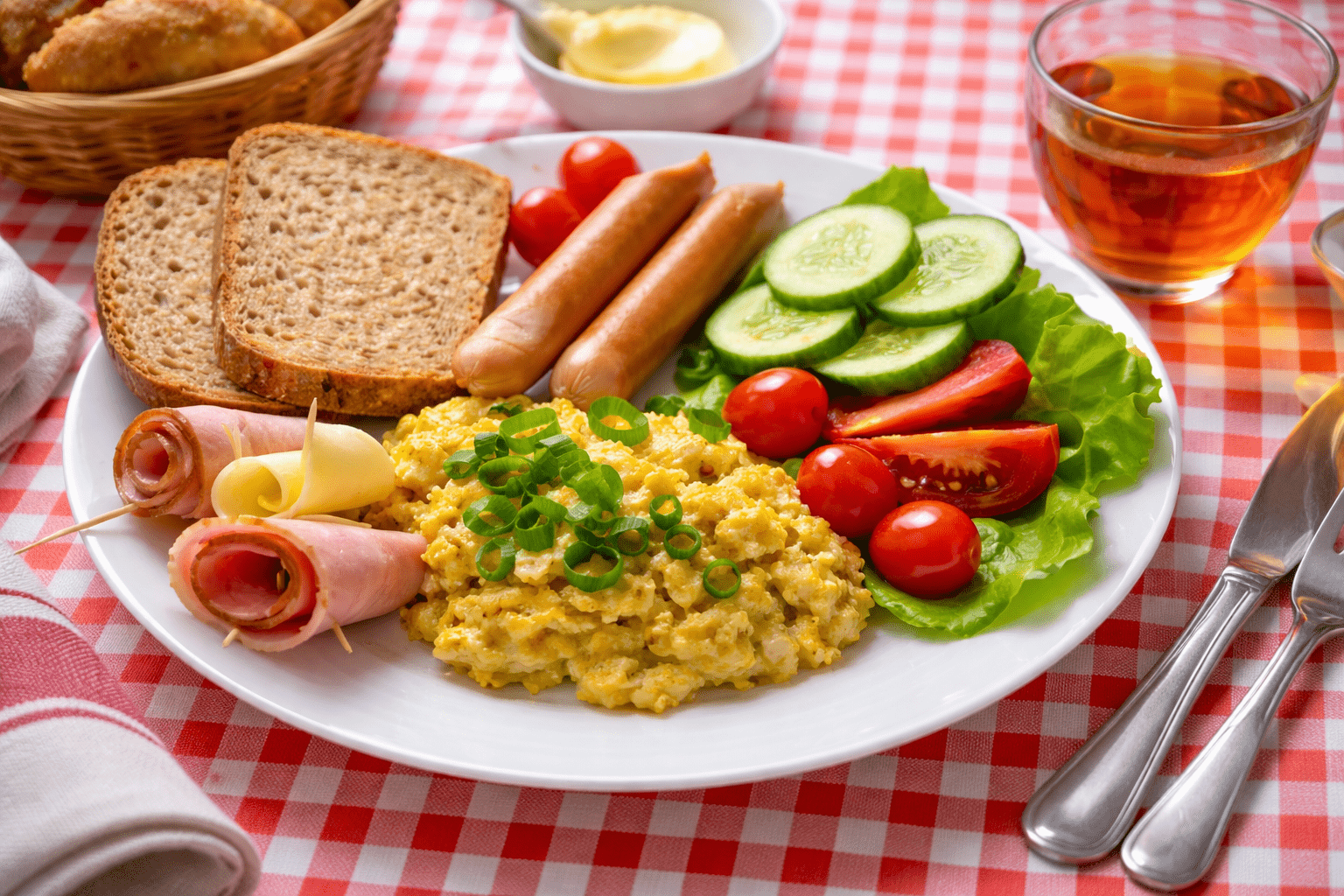
To start the day well, a good breakfast is essential. Depending on your accommodation, many hotels offer breakfast included, where you can try typical products such as Polish cold cuts, local cheeses, fresh bread, and eggs prepared in different ways.
If breakfast is not included, here are some recommended options depending on the experience you’re looking for:
Option 1 – Quick and functional breakfast
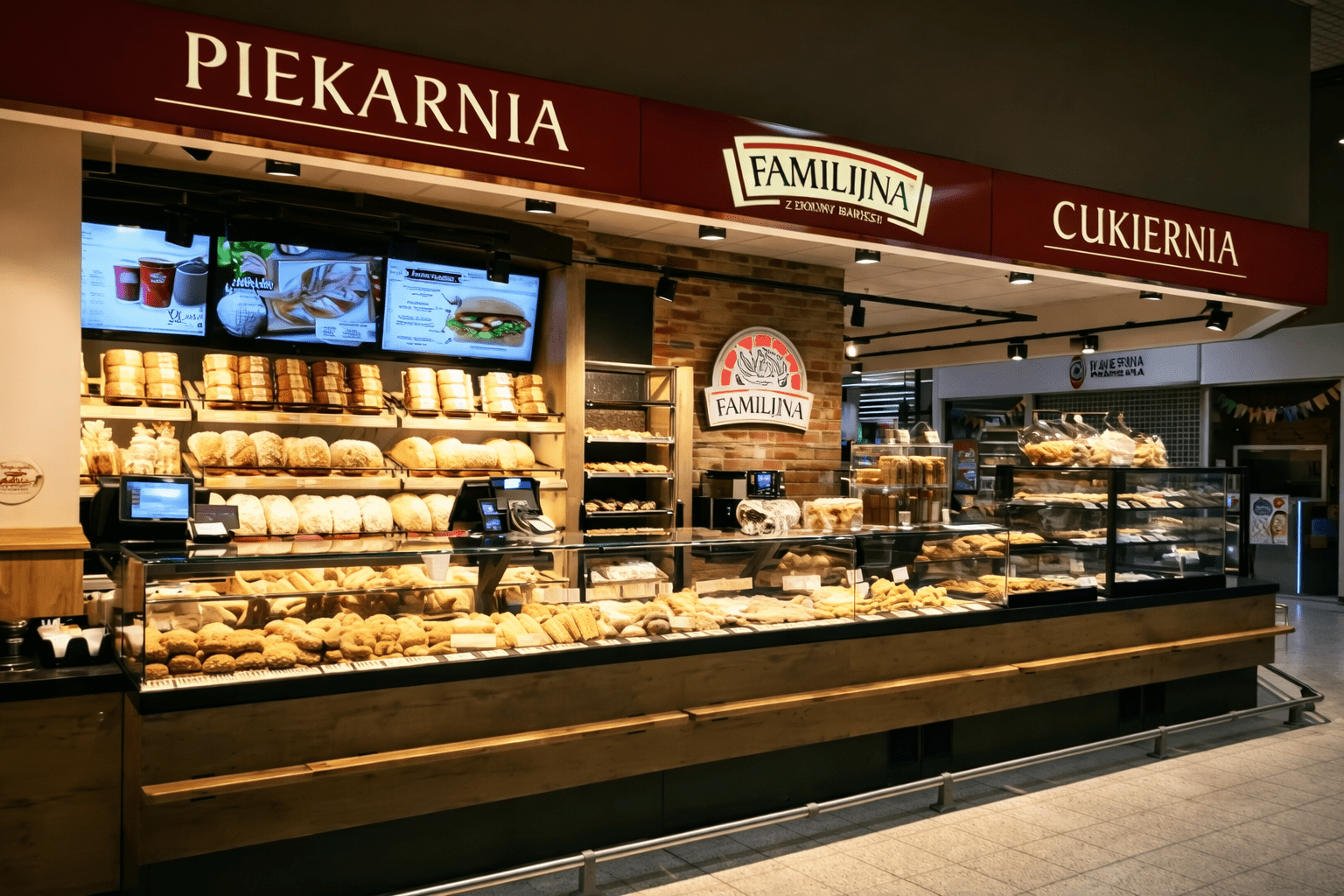
If you prefer something simple and efficient to start the day without losing time, you can grab a coffee with a sandwich or pastry at a local bakery on Świdnicka Street, one of the main arteries of the city center.
Recommended bakery: Familijna Cukiernia | Piekarnia | Bistro i Kawa Wrocław Świdnicka
Option 2 – Relaxed breakfast in the historic center

A very good choice is Paloma Coffee, located at Plac Solny. It is well known for its excellent specialty coffee from its own roastery, as well as toast, eggs, and more elaborate breakfast options—perfect for starting the day calmly.
Option 3 – University district
In the university area, you’ll find several interesting places:
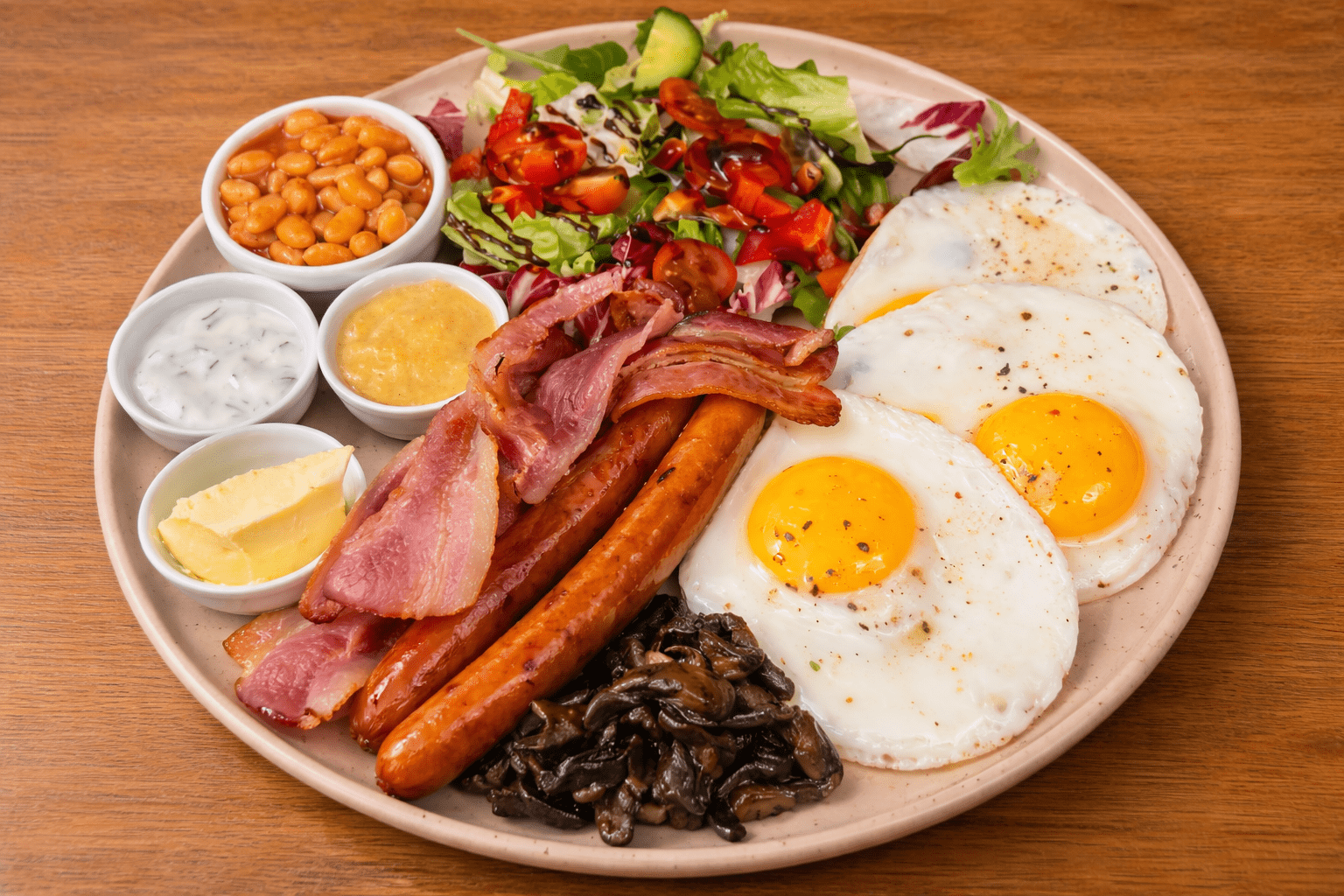
Café Manon (Atelier Café), famous for its fresh bagels and English-style breakfasts
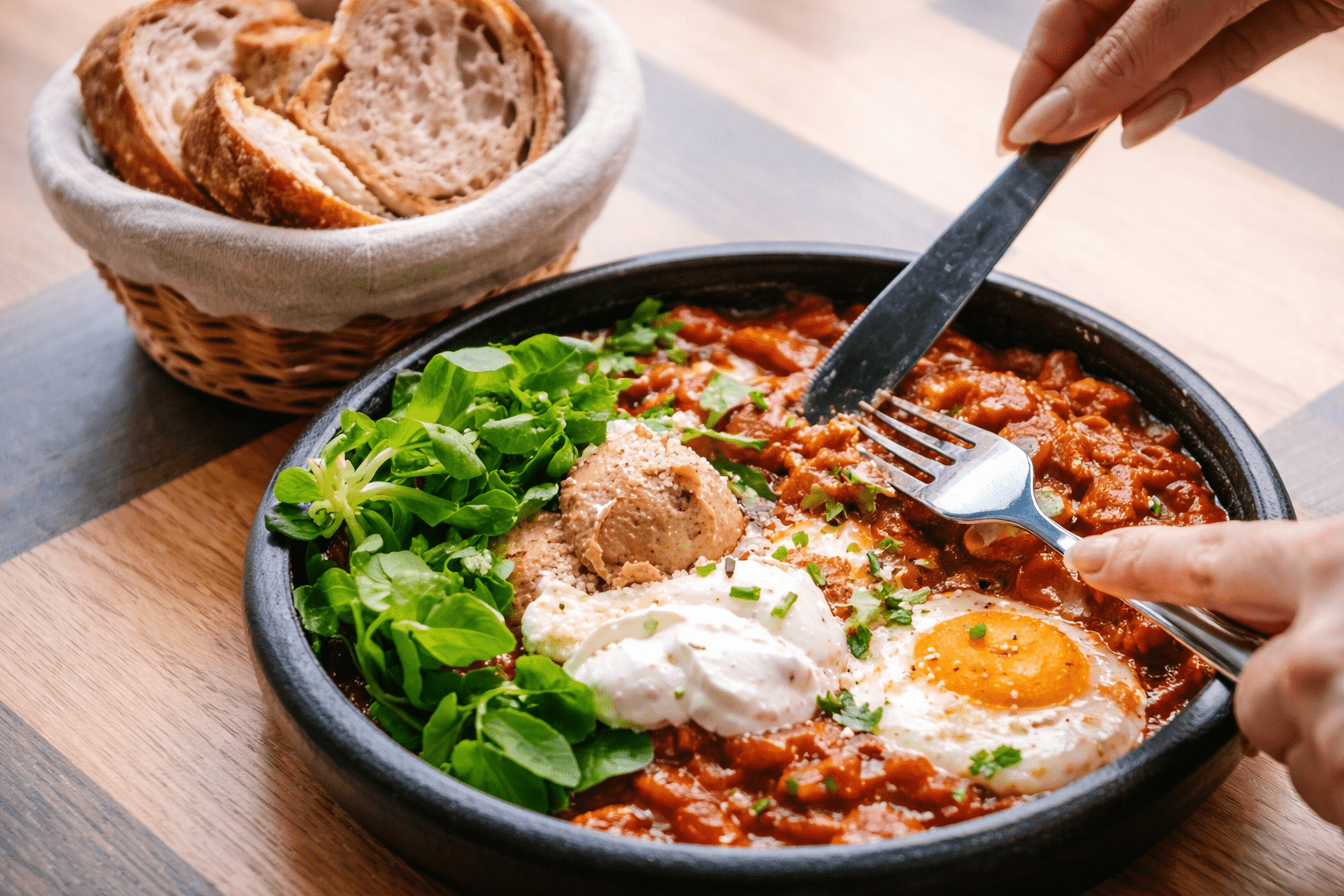
FC Caffè, ideal for trying dishes such as shakshuka, hummus, and classic Polish breakfasts—perfect fuel for a full day of sightseeing
Private Walking Tour in English
After breakfast, the best way to begin the day is by joining a walking tour in English, especially recommended if this is your first visit to Wrocław.
Our free tours usually start at 10:30 a.m. from the Market Square (Rynek), in front of McDonald’s—a very easy meeting point to find. You can book in advance via this link.
During the tour, you’ll discover the most important places in the historic center, including:
-
The Market Square (Rynek), one of the largest and most beautiful in Europe
-
The Gothic Town Hall
-
The famous Wrocław dwarfs and their meaning
-
The University of Wrocław
-
The river islands of the Oder River
The tour usually ends between 12:30 and 1:00 p.m., leaving you well oriented and full of recommendations to continue exploring on your own.
Lunch at a Milk Bar (Bar Mleczny)
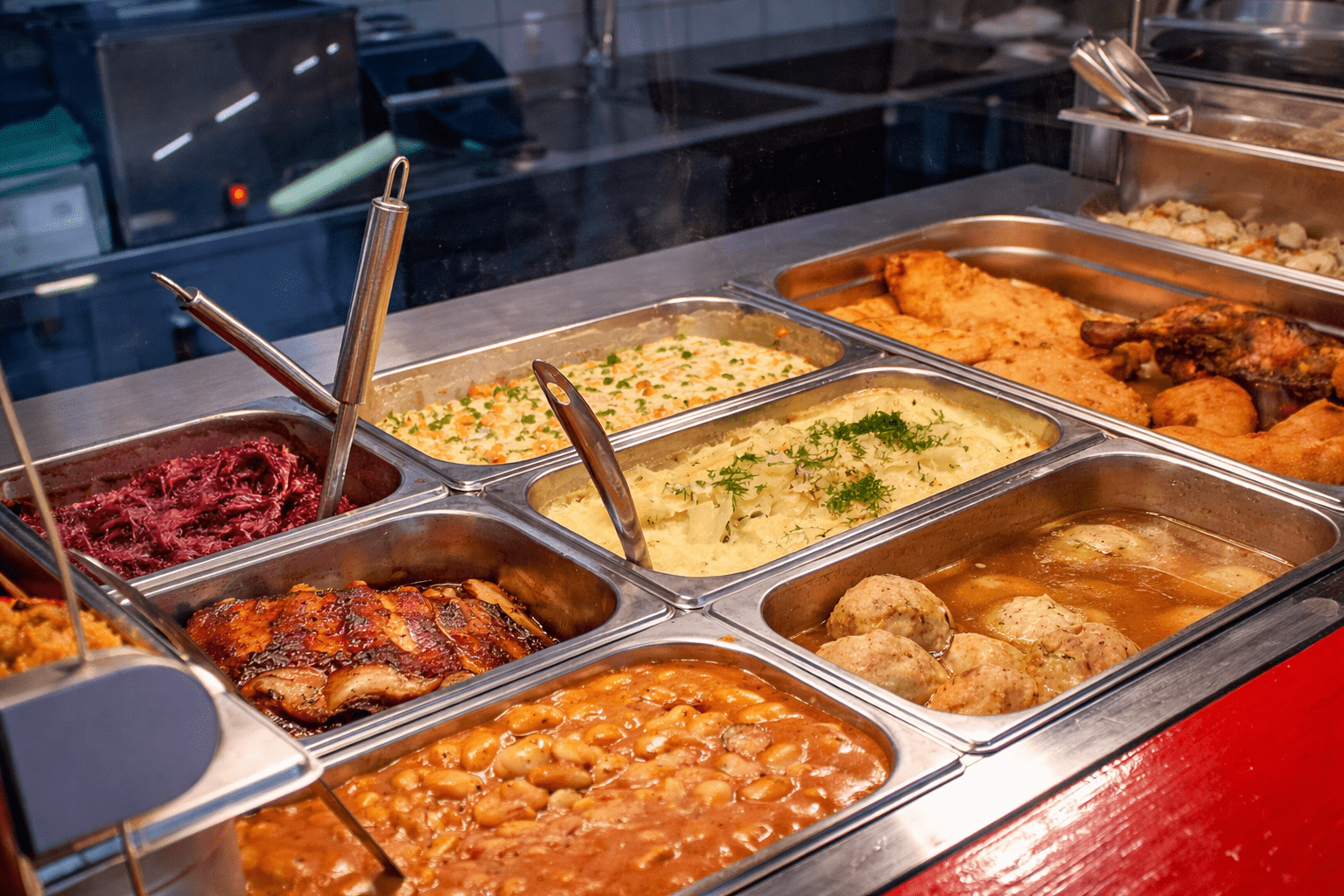
For lunch, a very authentic experience is visiting a bar mleczny (milk bar)—a historic Polish institution where you can eat homemade food at very affordable prices.
Option 1 – Jacek i Agatka

Located very close to the Market Square. Here you can choose from various soups and traditional main dishes—ideal for a full lunch on a budget.
Option 2 – Hala Targowa (Market Hall)
In this historic market, you’ll find two very interesting options:
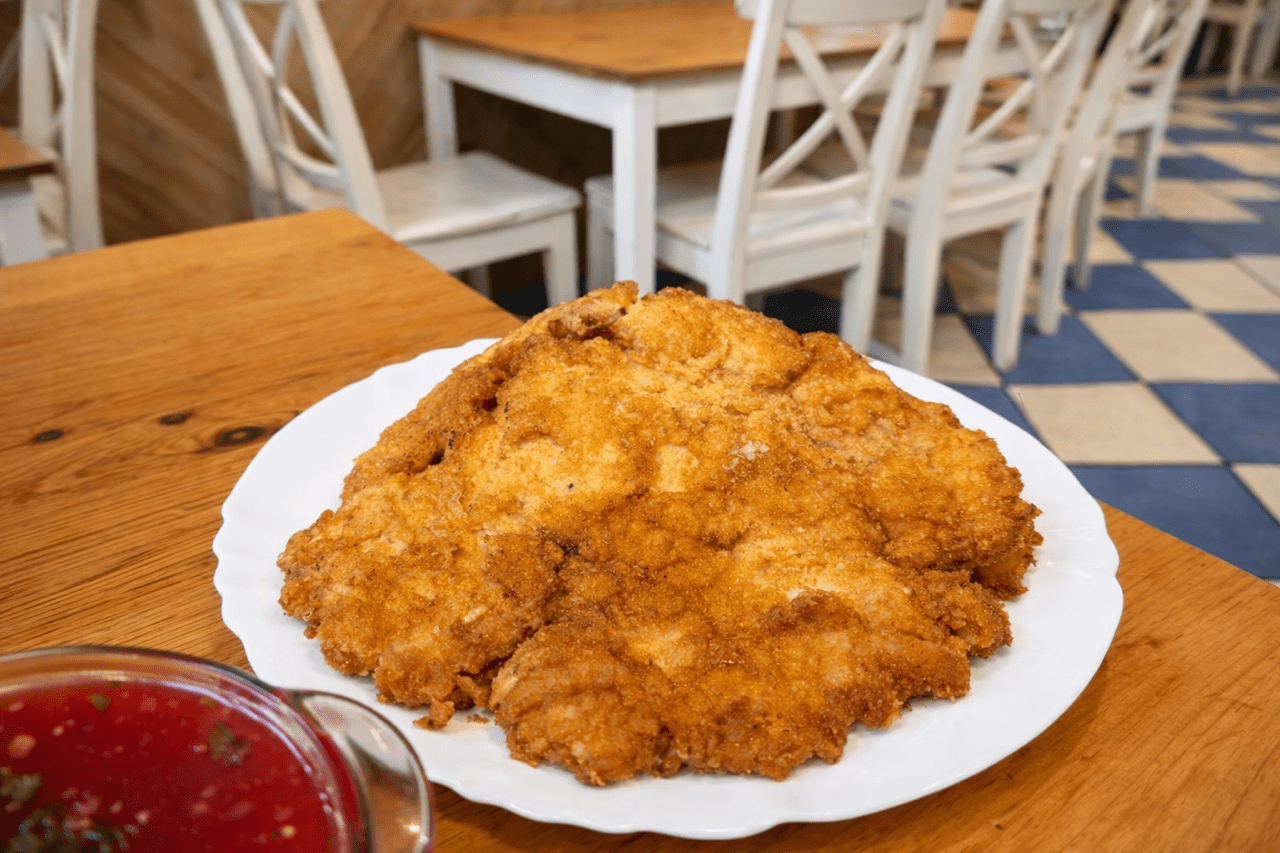
Bar Karmazyn, specializing in traditional Polish cuisine. Don’t miss the schabowy (breaded pork cutlet), usually served with kompot, a homemade fruit drink.
Polskie Jadło, which combines good food with décor inspired by the communist era, creating a nostalgic and distinctive atmosphere.
Cultural Afternoon: University of Wrocław
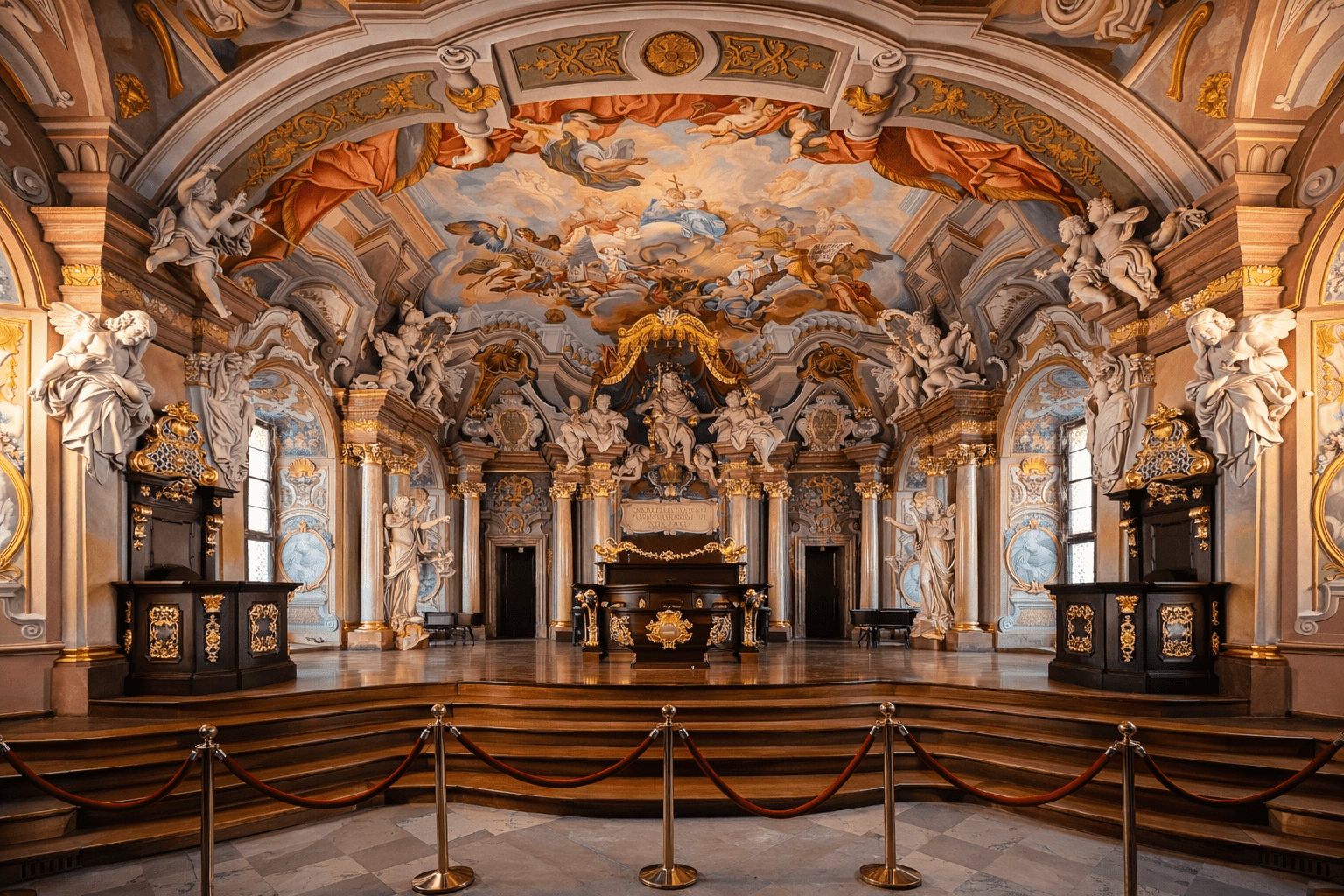
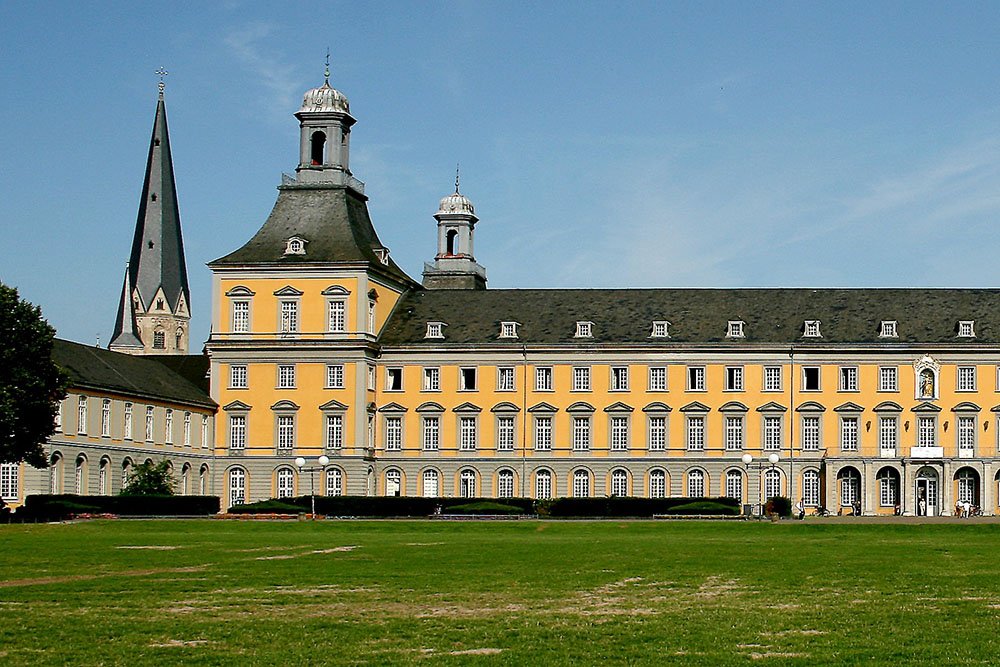
In the afternoon, we recommend visiting one of the city’s most important monumental complexes: the historic interiors of the University of Wrocław, considered among the most beautiful Baroque interiors in Central Europe.
During the visit, you’ll see:
-
Oratorium Marianum, the former university chapel
-
Aula Leopoldina, the jewel of university Baroque dedicated to Emperor Leopold I
-
Mathematical Tower, offering exceptional panoramic views of the city
You can visit independently, but we recommend our guided tour of the university interiors, which includes entrance tickets and an audioguide in several languages—ideal for understanding the symbolism and history of the place.
Sunset in Ostrów Tumski and the Lamplighter
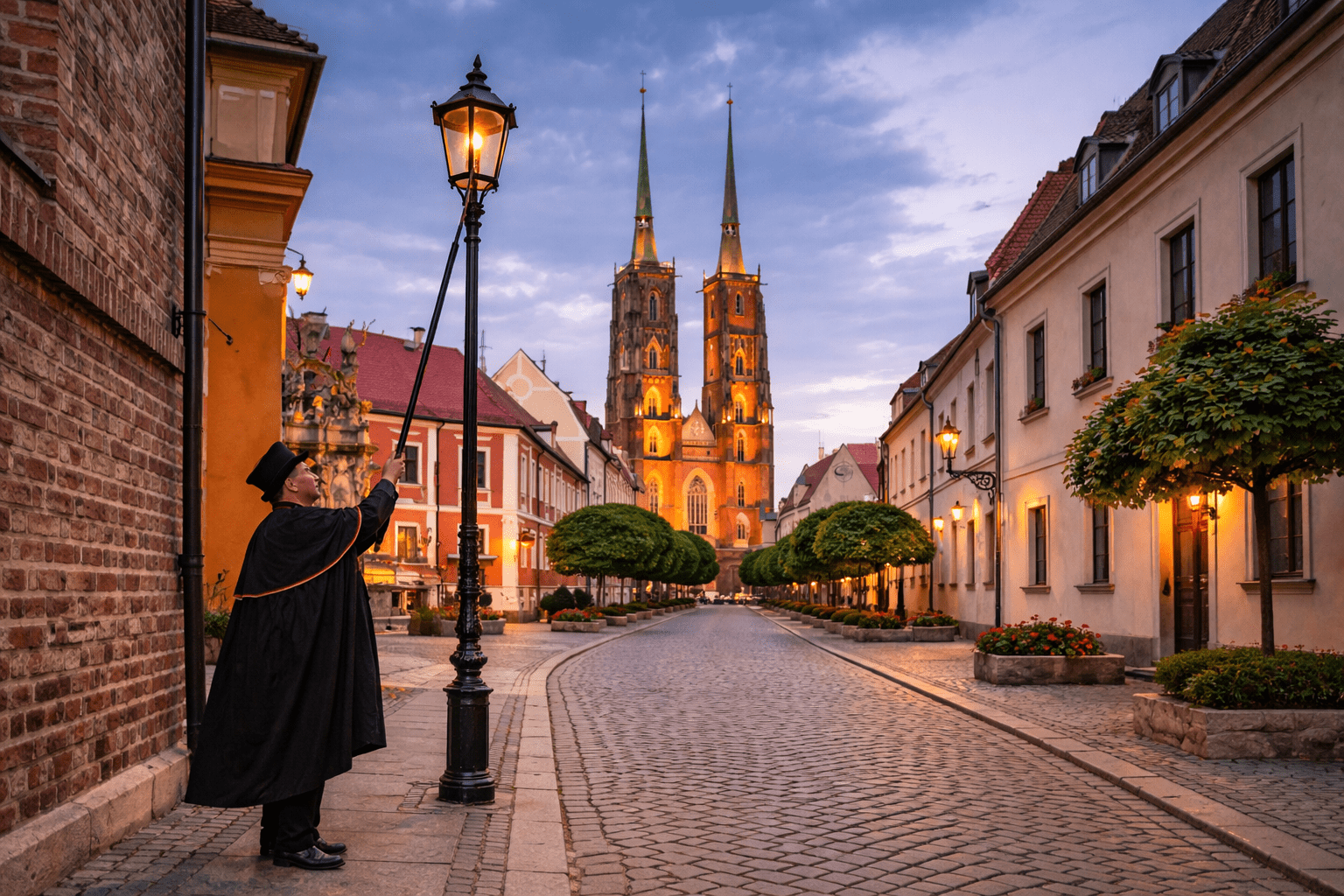
At sunset, head to Ostrów Tumski, the oldest part of Wrocław. A very special tradition is preserved here: the manual lighting of gas street lamps.
Every evening, a lamplighter dressed in a historic uniform lights over one hundred gas lamps, creating a magical and highly photogenic atmosphere.
In summer, before nightfall, you can:
-
Take a leisurely walk around the area
-
Enjoy a drink on the terraces of Słodowa Island, one of the liveliest spots in the city
-
Visit places like Barbarka
-
Wait for the lamplighter, who appears about an hour before sunset
Traditional Polish Dinner
To end the first day, a great option is dining at a traditional Polish restaurant such as:
Królestwo Ziemniaka (The Kingdom of the Potato)
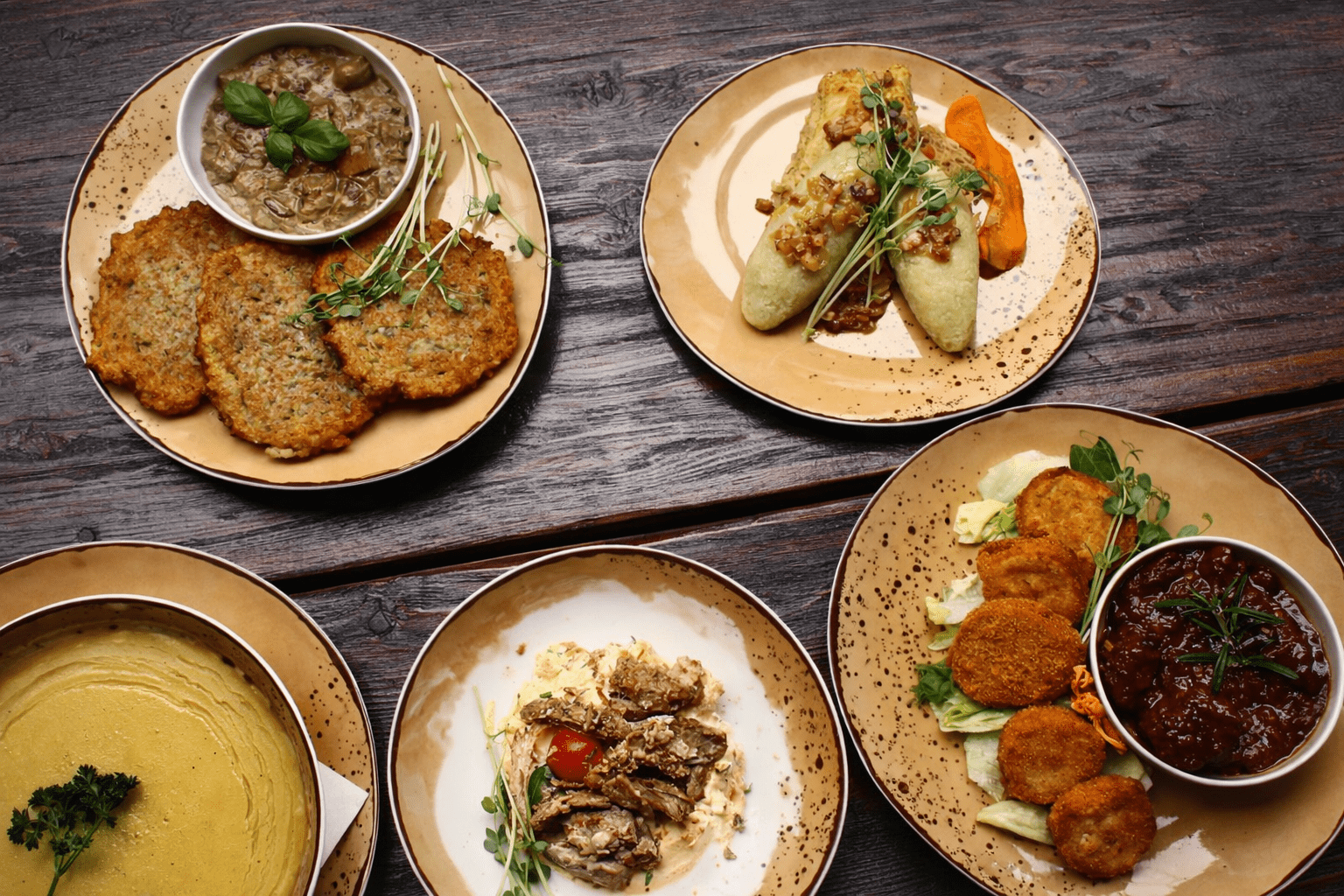
Królestwo Ziemniaka is one of those curious and authentic places that surprise even seasoned travelers. It is a themed restaurant entirely dedicated to the potato—one of the most important ingredients in traditional Polish cuisine.
Almost everything here revolves around this humble yet versatile ingredient, prepared in creative and delicious ways. The must-try signature dish is kartacze: large potato dumplings stuffed with meat, typical of eastern Poland. They are served topped with crispy bacon and sautéed onions, accompanied by sauerkraut, which adds a perfect acidic contrast.
For the more adventurous, the restaurant also offers potato juice, a traditional drink believed in folk medicine to have digestive and general health benefits. A truly local and unusual culinary experience.
Restauracja Wrocławska
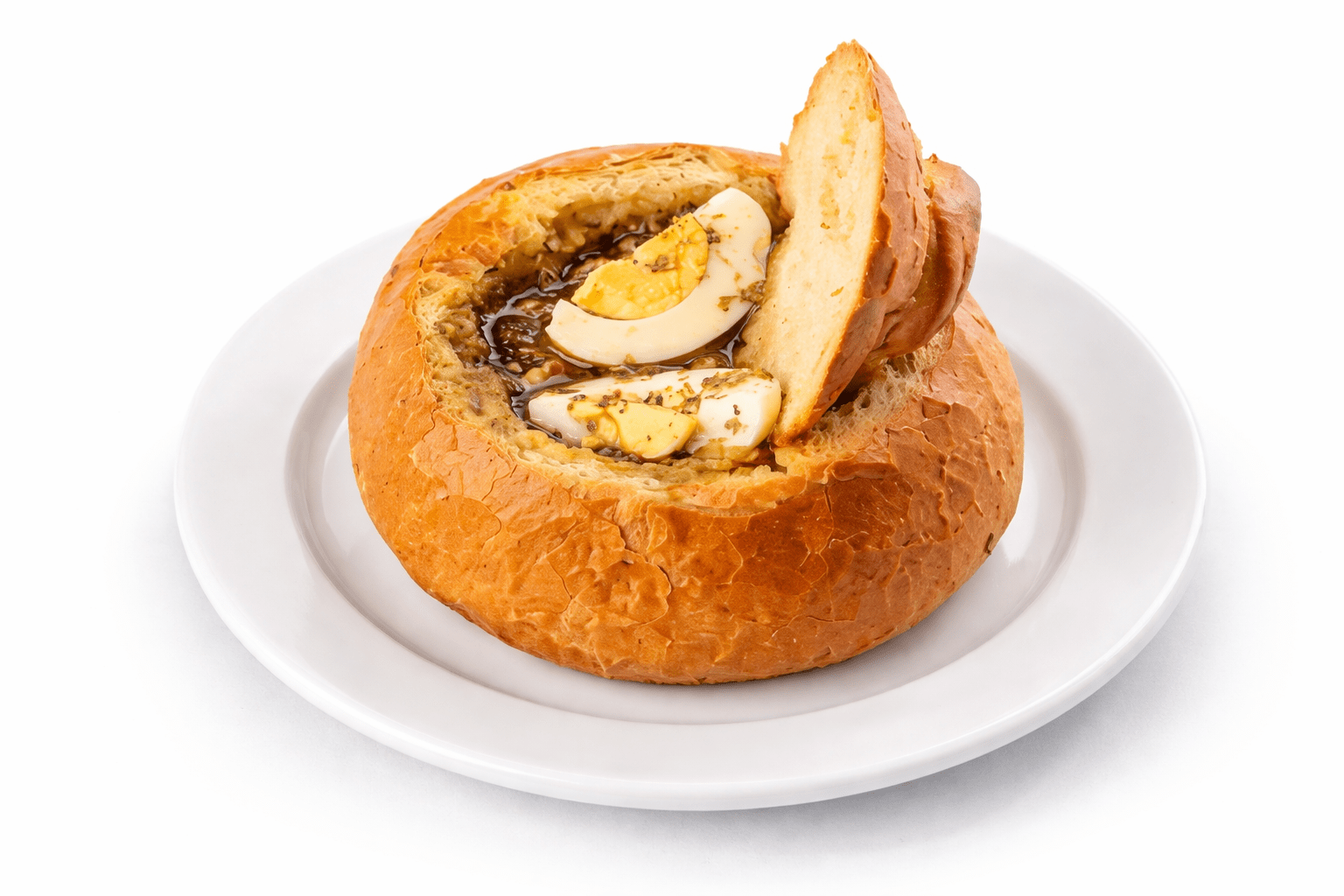
Restauracja Wrocławska is an institution of traditional Polish cuisine in Wrocław, perfect for those who want to explore classic flavors of the region and the country in a cozy, authentic setting.
The menu is extensive and varied, featuring traditional recipes. One absolute must is żurek, Poland’s most famous soup, served inside a crusty bread loaf with its characteristic slightly sour flavor. You’ll also find specialties such as duck, trout, and various cuts of meat prepared simply but very tastily.
To finish the meal according to tradition, we recommend trying kminkówka, a strong local caraway liqueur that aids digestion and is part of the Polish dining ritual. A perfect ending to a hearty and authentic meal.
Day 2 – Day Trips from Wrocław (Lower Silesia)
The Lower Silesia region offers spectacular excursions combining nature, history, and architecture. These tours usually start early in the morning.
If breakfast is not included at your accommodation, a good option is to eat in the former Jewish quarter, for example at POKO Bakery, located in a historic building.
Option 1 – Adršpach: The Rock City
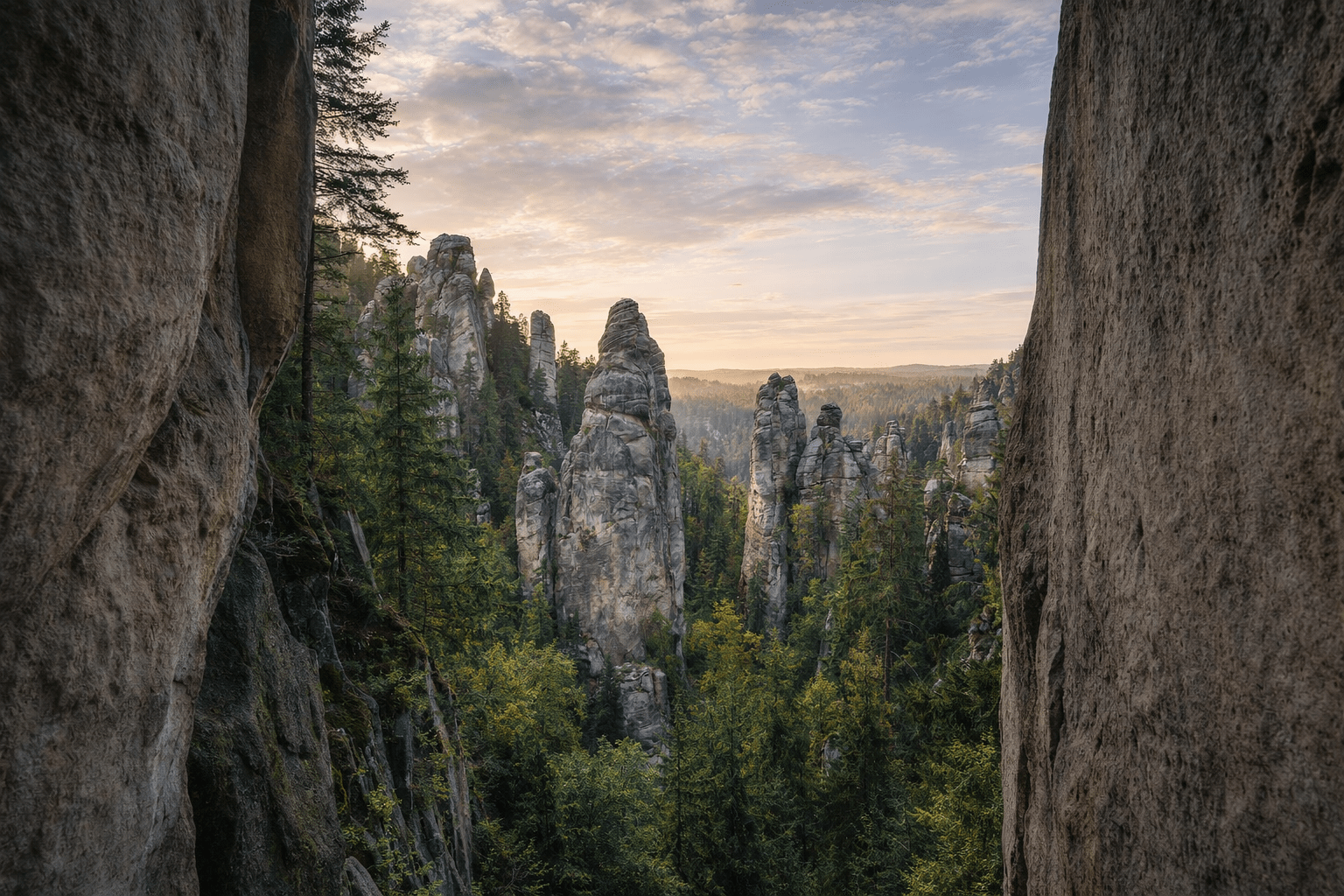
An ideal excursion for nature lovers. The Adršpach Rock City, located in the Czech Republic just a few kilometers from the Polish border, is famous for its impressive rock formations that resemble fantasy landscapes.
The visit includes:
-
A walk of approximately 2 hours
-
Gorges and walkways between rock formations
-
Spectacular scenery
Comfortable footwear is recommended.
Booking available here: (link)
Option 2 – Książ Castle and the Peace Church of Świdnica

This excursion is perfect for lovers of history and architecture.
Książ Castle is one of the largest castles in Poland and has a fascinating and dramatic history. It belonged to one of Germany’s wealthiest noble families and was confiscated by the Nazi regime during World War II. Beneath it, an extensive system of tunnels and bunkers was built as part of secret Third Reich projects.
The visit includes:
-
Representative castle interiors
-
Terraces and gardens
-
Greenhouses with exotic plants
-
Underground tunnels with a Spanish audioguide
After lunch, the tour continues to the Peace Church of Świdnica, a masterpiece of Baroque architecture built entirely of wood using timber-frame construction. Its interiors are stunning and have earned it UNESCO World Heritage status.
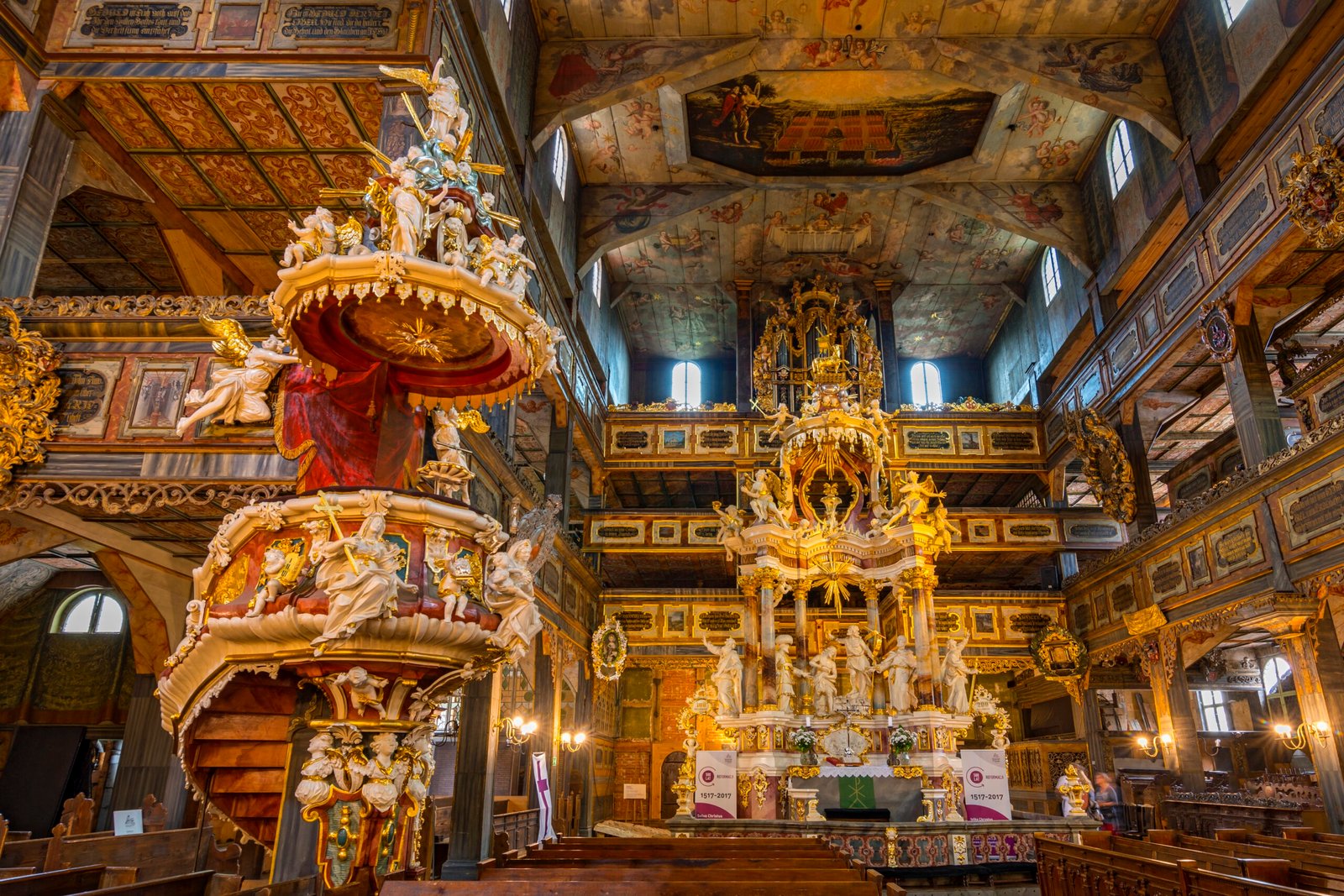
You can find the booking link for this full-day Lower Silesia highlights tour here: (link)
Neon Courtyard and the Four Denominations District
After returning to Wrocław from the day trip, a great option for the afternoon is visiting the Neon Courtyard, located in the historic Four Denominations District in the former Jewish quarter.
This open-air space displays original neon signs from the communist era that once adorned cinemas, shops, and public buildings. Today, they form a unique exhibition combining recent history, graphic design, and urban photography—especially striking at dusk.
The Four Denominations District is a symbolic place where, for centuries, different religious communities coexisted peacefully: Catholics, Lutherans, Orthodox Christians, and Jews. Walking through this area helps you better understand Wrocław’s long-standing cultural and religious diversity.
Culture lovers can also attend concerts and events at the White Stork Synagogue, especially during summer or Jewish holidays.
Day 3 – Art, Viewpoints, and Final Experiences in Wrocław
Depending on your departure time, the third day can be used to explore some of the city’s most iconic cultural sites and say goodbye to Wrocław with unforgettable views.
Panorama of Racławice
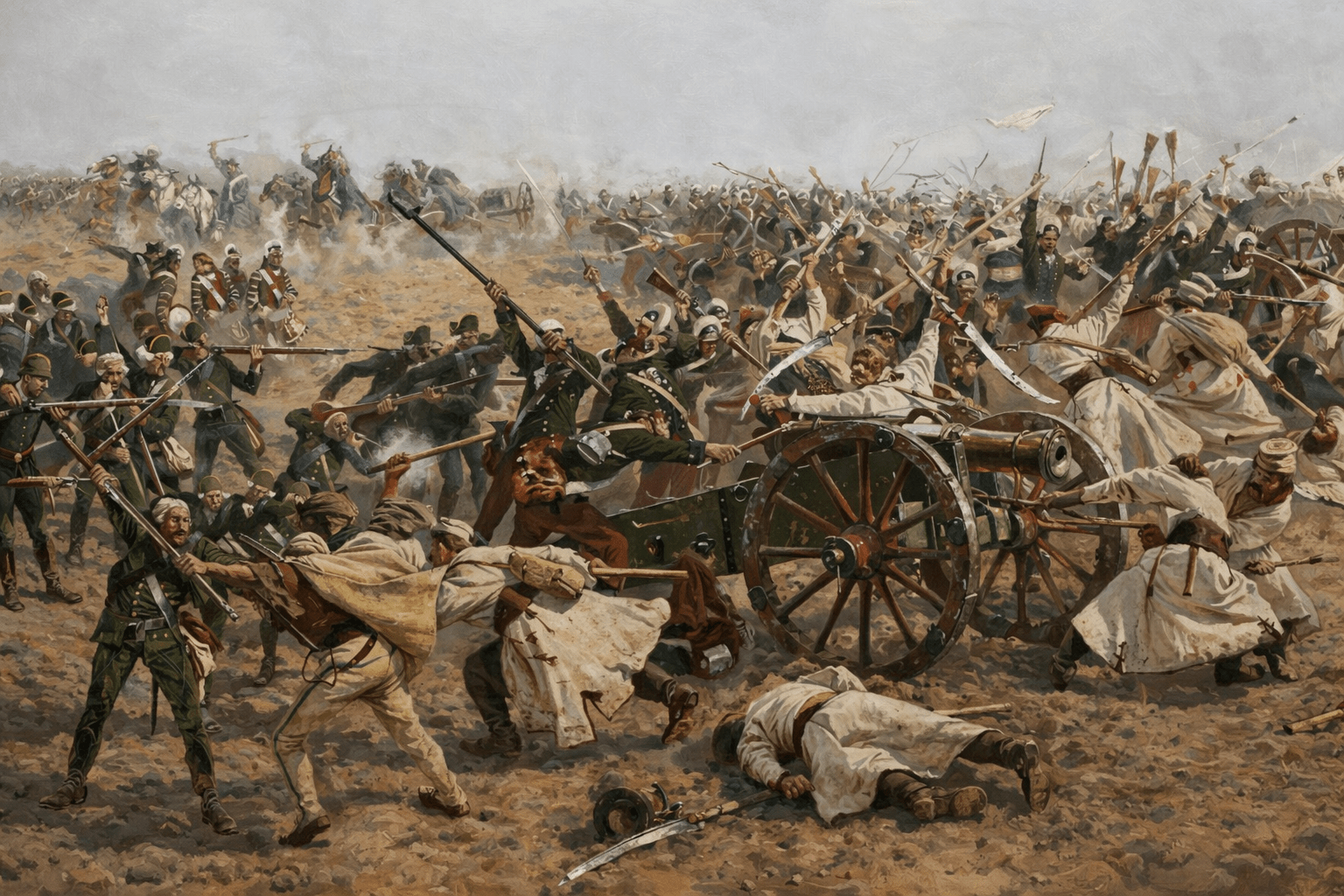
One of the most spectacular and unique attractions in the city is the Panorama of Racławice, a monumental artwork found nowhere else in Poland.
It is a massive panoramic painting created in 1894 to commemorate the centenary of the Polish victory over the Russian army at the Battle of Racławice. This event was highly symbolic for Polish national identity and was led by Tadeusz Kościuszko, a national hero who led the uprising against the Russian Empire in 1794.
The canvas covers 1,800 m² and was painted by eleven artists over approximately nine months. Combined with scenic elements and perspective techniques, it creates an impressive immersive experience.
The visit is well organized:
-
Entry every 30 minutes
-
Groups of around 80 people
-
Audioguides available in several languages, including Spanish
It is recommended to check availability on the official website or buy tickets in advance, especially during high season.
Important note:
The same ticket also allows entry to the National Museum of Wrocław, located just across the street—an excellent opportunity to extend the cultural experience.
Highlights of the museum include:
-
An outstanding collection of medieval art, especially polychrome wooden sculptures
-
An important Baroque painting collection, including works by Michael Willmann, known as the “Rembrandt of Silesia”
-
A painting attributed to Francisco de Zurbarán, one of the collection’s greatest treasures
Try a Traditional Polish Dessert: Pączek

No visit to Poland is complete without trying a pączek, one of the country’s most beloved sweets. It is a type of filled doughnut, traditionally with rose jam, although today many variations exist—chocolate, Nutella, or Raffaello-style cream.
Some of the best places to try pączki in Wrocław are:
Historic Center Viewpoints
To say goodbye to the city with an unforgettable view, it’s worth climbing one of the two most famous viewpoints in the historic center:
-
St. Mary Magdalene Church, where you can cross the suspension bridge connecting the two Gothic towers
-
St. Elizabeth’s Church Tower, offering one of the widest panoramic views of Wrocław
Both require climbing over 250 steps, but the effort is richly rewarded with views over rooftops, squares, and the Oder River.
Final Summary
This has been a suggested itinerary for what to do in Wrocław in 3 days. Naturally, it’s only a proposal and can be adapted depending on personal interests, travel pace, or length of stay.
However, the ideal starting point for any visit remains the walking tour in English through Wrocław’s historic center, as it helps you orient yourself, understand the city, and decide what to explore next.
We especially recommend:
-
Visiting the interiors of the University of Wrocław, with its famous Aula Leopoldina
-
Dedicating at least one day to discovering the Lower Silesia region, which offers exceptional landscapes and monuments
We hope this guide has been helpful and warmly invite you to discover the city.
See you in Wrocław.